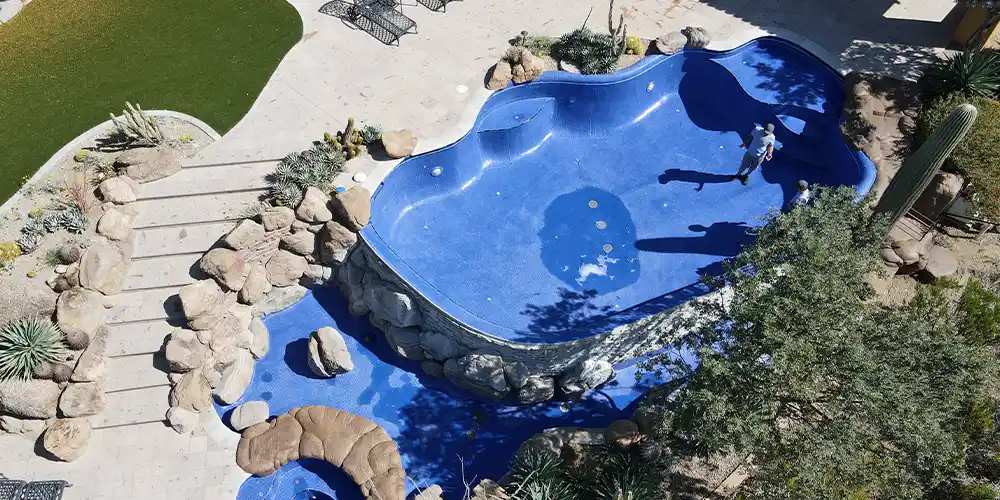

Swimming Pool Maintenance works best when the routine is clear, steady, and easy to follow. A few simple habits can help keep the water cleaner, protect your equipment, and reduce the chance of algae, cloudy water, or avoidable repair issues.
The key is knowing what helps and what can quietly make pool care harder. These do’s and don’ts give homeowners a practical way to care for the pool with more confidence.
Why Swimming Pool Maintenance Needs a Consistent Routine
A pool is easier to manage when small tasks are handled before they become bigger problems. Skimming, brushing, water testing, Filter Cleaning, and Chemical Balancing all work together.
In Scottsdale, Phoenix, Chandler, Gilbert, Glendale, Mesa, and Tempe, pool maintenance often needs to account for heat, dust, evaporation, hard water, and long swim seasons. A routine that works in cooler climates may not be enough for Arizona pools that stay active most of the year.
When one part of the routine is skipped for too long, the water can change quickly. Debris builds up, sanitizer drops, filters work harder, and algae has more room to grow.
Pool Cleaning Do’s for Clearer Water
Pool Cleaning is the visible part of maintenance, but it also supports water quality. Removing debris early helps reduce the organic material that can affect chlorine demand and water clarity.
A clean surface does not always mean the whole pool is balanced. That is why regular cleaning should include the walls, steps, floor, baskets, and waterline.
Do: Skim the Surface Often
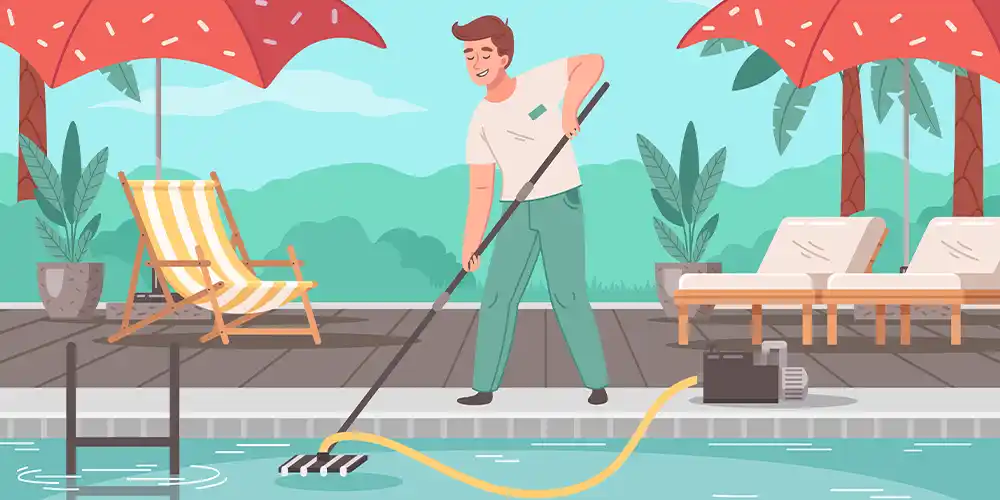
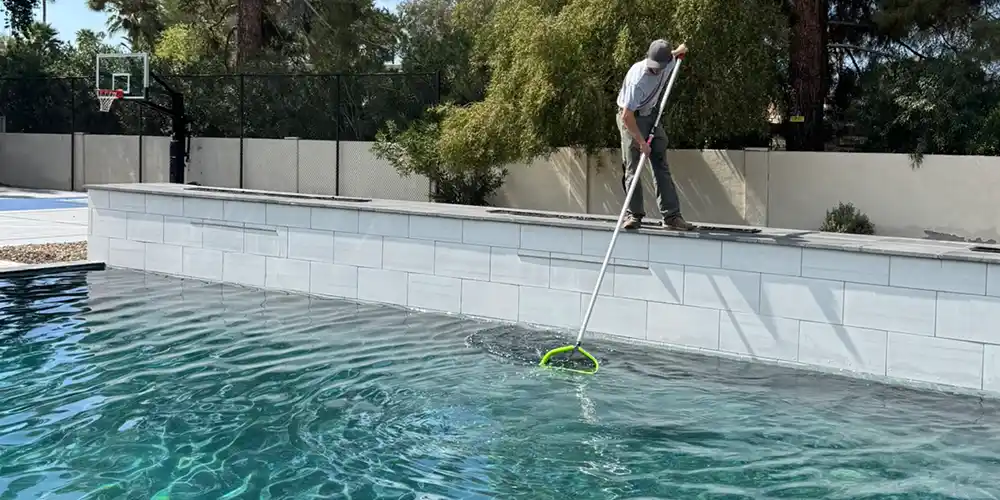
Use a skimmer net to remove leaves, insects, twigs, and floating debris. This may be needed every few days, especially after wind, storms, landscaping work, or heavy backyard use.
Skimming helps stop debris from sinking and breaking down in the water. It also helps protect the skimmer basket from becoming too full.
Do: Brush the Walls, Steps, and Waterline
Brushing should be part of regular Swimming Pool Maintenance. It helps loosen dust, algae film, sunscreen residue, and mineral buildup from pool surfaces.
Pay close attention to steps, benches, corners, ladders, and the waterline. These areas often collect buildup before the rest of the pool looks dirty.
Do: Vacuum Settled Debris
Vacuuming removes dirt, dust, sand, and small debris that settle on the pool floor. This is especially helpful after windy weather or heavy use.
A robotic cleaner can help between service visits, but it should not replace brushing, basket checks, water testing, or a full cleaning routine.
Pool Cleaning Don’ts That Can Cause Bigger Issues
Some pool problems start with small habits that seem harmless. The pool may look fine for a while, but skipped cleaning steps can affect water clarity and equipment performance over time.
Avoiding these common mistakes can help your pool stay easier to manage from week to week.
Don’t: Treat Vacuuming as a Replacement for Brushing
Vacuuming removes debris from the floor, but it does not remove buildup from walls, steps, corners, or the waterline.
Algae and residue can cling to surfaces even when the floor looks clean. Brushing helps loosen that buildup so sanitizer and filtration can work more effectively.
Don’t: Let Debris Sit Too Long
Leaves, pollen, dust, grass, and insects can affect water quality when they sit in the pool. As debris breaks down, it can use up sanitizer and make the pool harder to balance.
Removing debris early is one of the simplest ways to keep pool care more predictable.
Don’t: Ignore the Baskets
Skimmer and pump baskets catch debris before it reaches the equipment. If they get too full, water flow can drop.
Poor flow can affect filtration, circulation, and chemical distribution. Emptying baskets regularly helps the system work properly.
Chemical Balancing Do’s and Don’ts
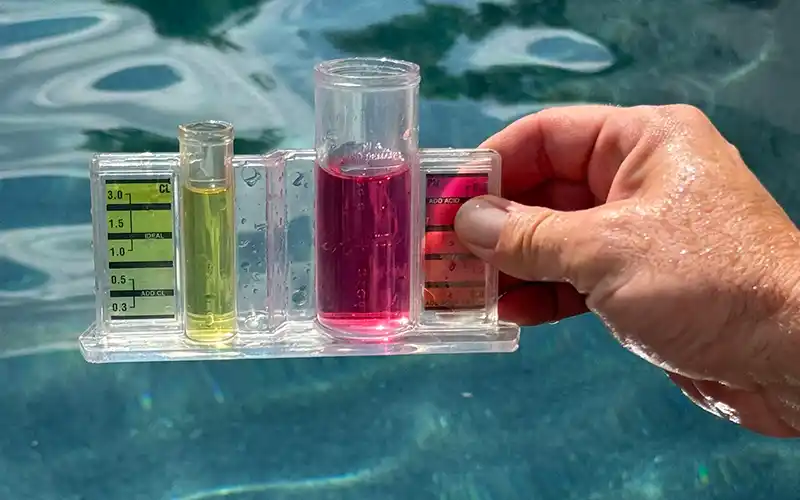
Chemical Balancing is one of the most important parts of Swimming Pool Maintenance. Water that is not balanced can become cloudy, uncomfortable, or easier for algae to affect.
Good chemical care starts with testing. It should not be based on guessing or adding products just because the water looks slightly off.
Do: Test the Water Regularly
Test the water for important levels such as chlorine, pH, alkalinity, stabilizer, and calcium hardness. Weekly testing is a practical baseline for many pools.
During hot weather, heavy swimming, storms, or after a pool party, extra testing may be useful. Pool water can change quickly when the system is under more pressure.
Do: Adjust Based on Readings
Chemical adjustments should match the pool’s actual condition. If the chlorine is low, pH is high, or alkalinity is drifting, the right adjustment can help restore balance.
Measured adjustments are safer and more effective than adding products without knowing what the water needs.
Don’t: Add More Chemicals Without Testing
More chemicals do not always mean cleaner water. Too much product can irritate skin and eyes, affect surfaces, and make the water harder to correct.
Always follow product labels and dosage instructions. When in doubt, test first and adjust carefully.
Don’t: Ignore pH Problems
pH affects swimmer comfort and how well sanitizer works. If pH is too high or too low, the water may become irritating, cloudy, or less stable.
Long-term imbalance can also place more stress on pool surfaces and equipment.
Filter Cleaning and Equipment Care Do’s and Don’ts
Your pool equipment keeps the water moving, filtering, and circulating. Even good Pool Cleaning will not hold up if the filter, pump, or water level is not working properly.
Basic equipment checks help catch early signs like weak flow, high filter pressure, air bubbles, or unusual pump sounds.
Do: Clean the Filter When Needed
Filter Cleaning helps remove trapped dirt, oils, dust, and fine debris from the system. A dirty filter can make the pool stay cloudy even after skimming and brushing.
The right cleaning method depends on the filter type. Cartridge, sand, and DE filters each need different care.
Do: Watch Filter Pressure and Water Flow
Rising filter pressure, weak return jets, or water that takes too long to clear can all point to filtration issues.
These signs do not always mean something major is wrong. They do mean the system deserves attention before the water quality suffers.
Do: Keep the Water Level Steady
Water level matters because the skimmer needs enough water to pull properly. If the level drops too low, the pump may pull in air.
That can affect circulation and place stress on the system. In many pools, the water should sit around the middle of the skimmer opening.
Don’t: Ignore Unusual Equipment Signs
Pump noises, air bubbles, weak suction, leaking equipment, or poor circulation should not be brushed off.
Sometimes the issue is simple. Other times, equipment maintenance or repair may be needed to keep the pool functioning correctly.
Green Pool Cleaning Mistakes to Avoid
A green pool usually means algae has started to grow. It can happen after low sanitizer, poor circulation, heavy debris, storms, or missed maintenance.
Green Pool Cleaning often needs a more focused process than routine cleaning. The goal is to correct the water, remove algae from surfaces, and support filtration so the cleanup holds.
Don’t: Only Add Chemicals and Skip Brushing
Chemicals may help kill algae, but brushing helps loosen it from pool surfaces. Without brushing, algae can stay attached to steps, walls, corners, and shaded areas.
A better approach includes brushing, testing, filtration, and proper Chemical Balancing.
Don’t: Swim in Green or Cloudy Water
If the water is green or cloudy, it is better to wait. You should be able to clearly see the pool floor before swimming.
Green water can also point to sanitizer or filtration problems that need attention first.
Do: Address Algae Early
Small algae signs are easier to correct than a fully green pool. Watch for slippery steps, tinted corners, cloudy water, or dull surfaces.
Early action can help prevent a more involved Green Pool Cleaning process later.
Weekly Pool Cleaning Habits That Make Maintenance Easier
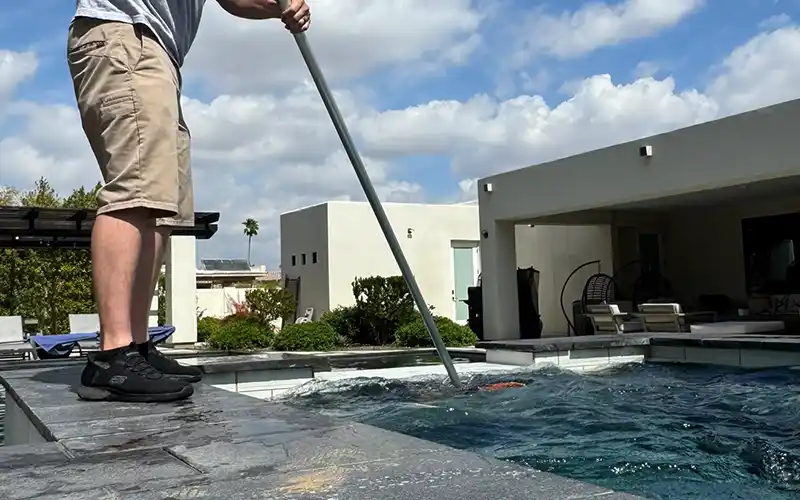
Weekly Pool Cleaning gives your pool a steady routine. It helps keep debris, chemistry, filtration, and basic equipment checks on a consistent schedule.
This is especially helpful in areas with heat, dust, storms, or heavy pool use. The more consistent the care, the easier it is to spot changes early.
Do: Follow a Simple Weekly Checklist
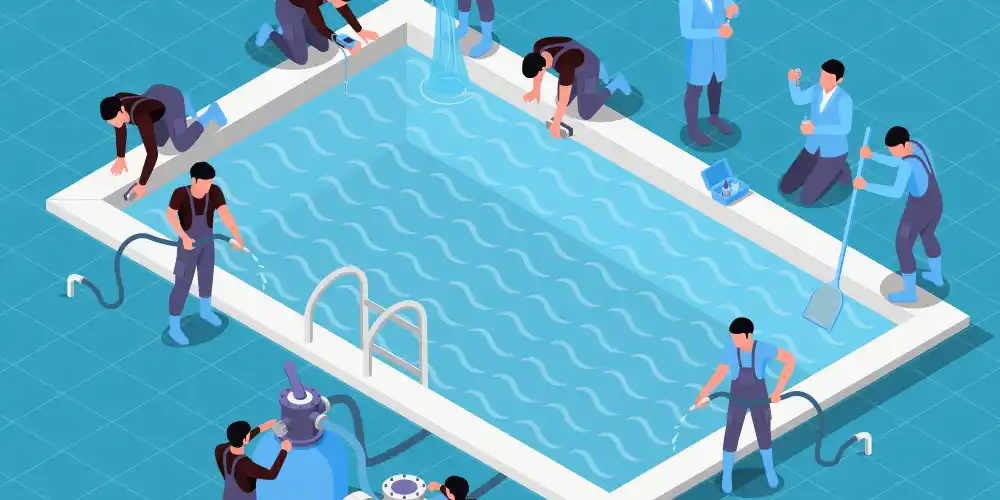
A practical weekly routine may include skimming, brushing, vacuuming as needed, emptying baskets, testing water, checking the water level, and reviewing filter pressure.
These steps help keep the pool clean and give you a clearer view of what is changing.
Do: Take Notes After Each Visit
Service notes are useful because they show what was handled and what may need follow-up. They can include chemical readings, filter pressure, water level concerns, debris load, or equipment observations.
Clear notes make pool care easier to understand, especially when conditions change from week to week.
Don’t: Wait Until the Pool Looks Bad
Waiting until the water is cloudy, green, or full of debris can make care more difficult. It may also require more time and treatment than routine maintenance.
Weekly Pool Cleaning helps keep small tasks from turning into larger cleanup needs.
Keep Your Pool Care Simple and Steady
Swimming Pool Maintenance does not need to feel overwhelming. A reliable routine can help keep the water clearer, the surfaces cleaner, and the equipment better supported.
The best approach is simple: clean regularly, test before adjusting, brush the areas that collect buildup, keep the filter working properly, and respond early when something changes.
Pool Pilots helps homeowners keep pool care clear, steady, and easier to manage with Pool Cleaning, Weekly Pool Cleaning, Green Pool Cleaning, Filter Cleaning, and Chemical Balancing support.
Get a clear quote for pool maintenance and feel more confident about what your pool needs next.