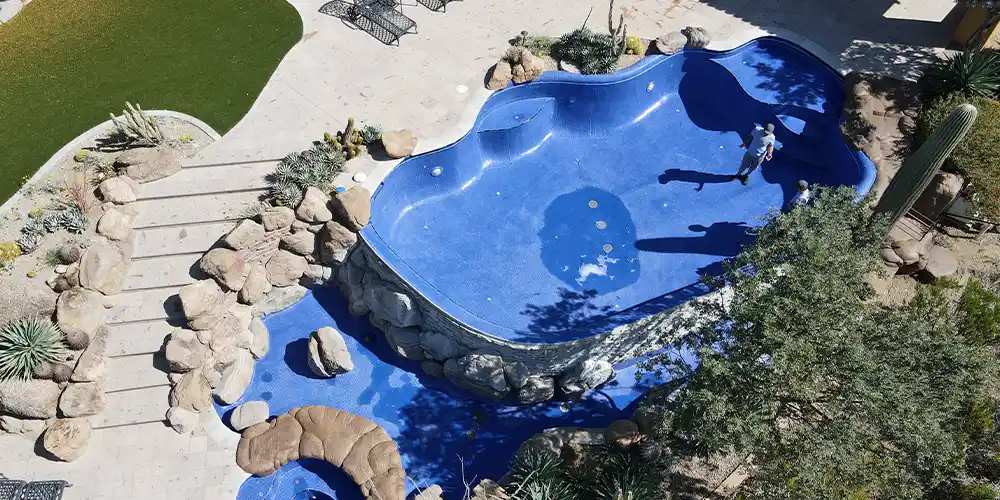

A pool pump not priming means the pump is struggling to pull enough water through the system. Instead of filling with water and moving it through the filter, the pump basket may stay half-empty, bubble, surge, or run dry. That is not something to ignore.
In Arizona, weak circulation can turn into cloudy water, algae, hot equipment, and expensive repairs pretty quickly. A pool pump needs steady water flow to keep the pool clean, filtered, and chemically balanced.
What does it Mean When a Pool Pump is not Priming?
A pump is “primed” when the pump basket and suction line are full of water, allowing the pump to move water properly.
When the pump does not prime, it may be pulling air instead of water. That breaks circulation and keeps the system from doing its job.
Common signs include:
- Pump basket will not fill with water
- Water level in the pump basket keeps dropping
- Air bubbles come from the return jets
- Pump sounds louder than normal
- Pool cleaner has weak suction
- Filter pressure is low or unstable
- Pump loses prime after shutting off
A pump that runs dry for too long can overheat and damage seals, motors, or internal parts. That is why this problem should be handled early.
Low Pool Water Level is the First Thing to Check
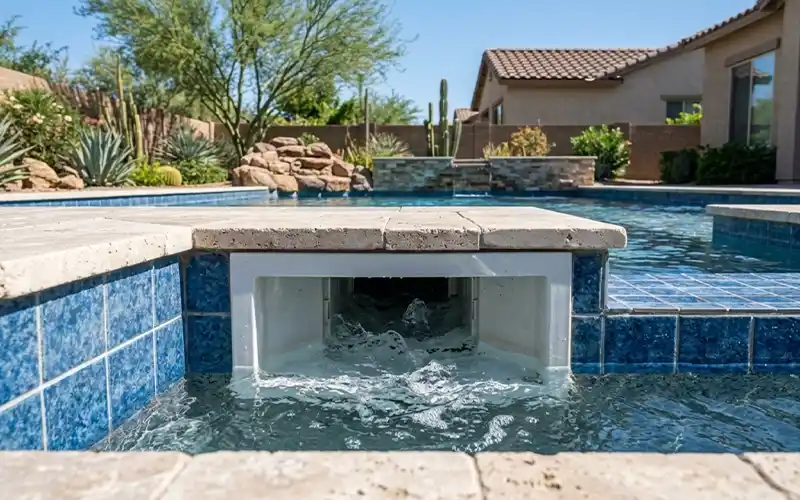
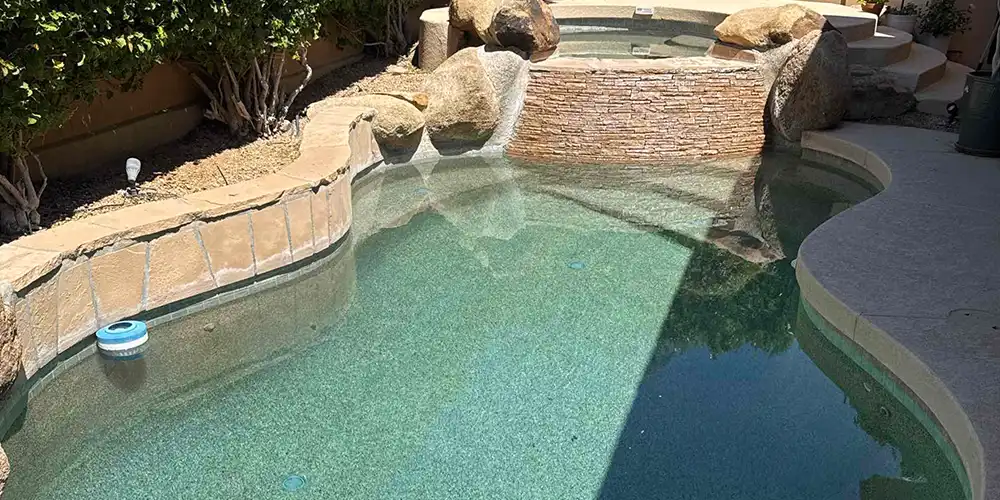
The simplest cause is low water. If the pool water level drops below the middle of the skimmer opening, the skimmer can pull air into the system. Once air gets in, the pump may lose prime.
This happens a lot during Arizona summers because evaporation can be intense. A hot week, heavy swimming, or a small leak can drop the water level faster than expected. The water should usually sit around the middle of the skimmer opening. If it is too low, add water and restart the pump.
If the pump primes after adding water, the problem may have been simple. If the water keeps dropping, there may be a leak or another issue that needs inspection.
The Pump Lid May not be Sealing Properly
The pump lid needs an airtight seal. If the lid is loose, cracked, dirty, or missing a good seal, air can slip into the pump basket.
That small air leak can be enough to stop the pump from priming.
Check the pump lid for:
- Cracks
- Warping
- Loose fit
- Dirt around the lid edge
- A dry or damaged O-ring
- Debris blocking the seal
The O-ring should be clean and properly seated. If it looks cracked, flattened, or brittle, it may need replacement. This is one of those small parts that can cause a big headache. A failing lid seal can make the whole system act like something much more serious is wrong.
A Clogged Skimmer Basket can Restrict Flow
A full skimmer basket can block water from reaching the pump. Leaves, palm debris, seed pods, toys, and storm debris can all slow down flow. When flow gets restricted, the pump may struggle to prime or keep prime. After windy days or monsoon dust, baskets can fill up quickly. Even if the pool surface looks decent, the basket may be packed. Empty the skimmer basket and make sure the skimmer door is not stuck. A stuck skimmer weir can also limit water flow into the suction line. This is a simple check, but it gets missed often.
The Pump Basket May be Packed with Debris
The pump basket catches debris before it reaches the pump impeller. If it is full, cracked, or not seated correctly, water flow can drop.
Turn the system off before opening the pump lid. Then check the basket.
Look for:
- Leaves
- Dirt
- Rocks
- Small toys
- Broken basket pieces
- Debris packed around the basket
After cleaning it out, fill the pump basket with water before restarting the pump. This gives the pump a better chance to prime.
If the basket keeps filling with debris, the pool may need more consistent pool maintenance or a closer look at what is entering the system.
Air Leaks on the Suction Side can Break Prime
If the pool water level and baskets look fine, the next suspect is often a suction-side air leak. The suction side is the part of the system that pulls water from the pool to the pump. If air gets into that line, the pump may lose prime or fail to prime at all.
Air can enter around:
- Pump lid O-ring
- Suction valves
- Unions
- Loose fittings
- Cracked plumbing
- Skimmer lines
- Drain lines
Air bubbles returning to the pool are a common clue. So is a pump basket that never fully fills with water.
These leaks are not always easy to spot because suction leaks may pull air in without leaking water out. That is why a professional pool repair diagnostic can save time.
A Clogged Impeller can Stop the Pump from Moving Water
The impeller is inside the pump and helps move water through the system. Small debris can sometimes get past the basket and clog it. When that happens, the motor may still run, but water flow drops.
A clogged impeller can cause:
- Weak return flow
- Low filter pressure
- Poor suction
- Pump basket turbulence
- Pump not priming properly
This can happen after a storm, algae cleanup, or a week with heavy debris in the pool.
Impeller issues are not always visible from the outside. If the baskets are clean but flow is still weak, the pump may need service.
The Filter could be Part of the Problem
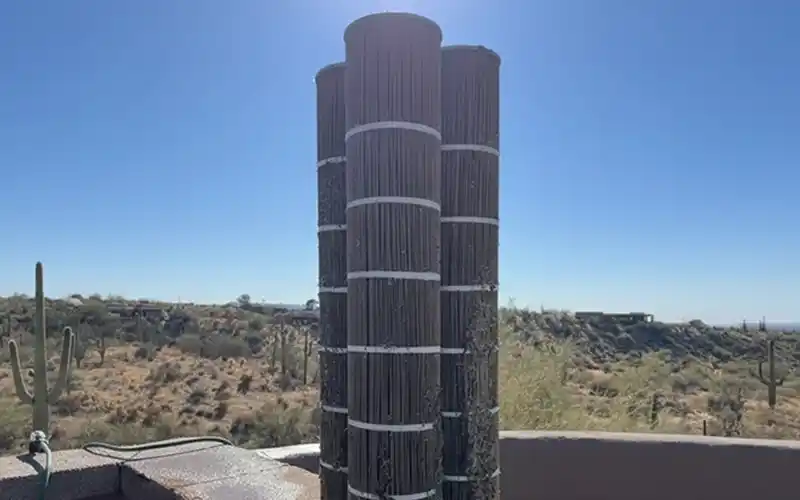
A dirty filter usually causes pressure to rise, but it can also affect the way the whole system behaves. When the filter is packed with debris, dead algae, or dust, flow can become weak and uneven. The pump has to work harder to push water through the system.
If the pool has cloudy water, high pressure, weak returns, or algae that keeps coming back, the filter may need attention. A professional filter cleaning can help restore flow and reduce strain on the pump.
This is especially important after a green pool cleanup or dust storm.
Could the Pump be Failing?
Sometimes the issue is not water level, baskets, or a lid seal. The pump itself may be wearing out. Older pumps can struggle with seals, motors, bearings, capacitors, or internal parts. A pump that loses prime often, makes loud noises, overheats, or shuts off randomly needs attention.
Repair may be possible in many cases. But if the pump is old, inefficient, or repeatedly failing, replacement may make more sense. That decision should come after diagnosis, not guesswork.
Should the Pump Keep Running if it is not Priming?
No. A pump should not keep running dry. Running without enough water can overheat the pump and damage internal parts. If the pump will not prime after checking water level, baskets, and the lid seal, turn it off and schedule service.
A small priming issue can become a much more expensive repair if the pump keeps running without water.
How to Prevent Pool Pump Priming Problems
Priming problems are easier to prevent when the system gets regular attention.
Helpful habits include:
- Keep pool water at the right level
- Empty skimmer and pump baskets often
- Check the pump lid seal
- Watch for air bubbles in return jets
- Clean the filter on schedule
- Pay attention to weak flow
- Schedule service when the pump starts acting different
With regular pool care, a technician can spot small changes before they turn into bigger circulation problems.
FAQs About a Pool Pump not Priming
Why is My Pool Pump not Priming After Cleaning the Basket?
The pump basket may need to be filled with water before restarting. If it still will not prime, check the lid seal, water level, skimmer basket, and possible suction-side air leaks.
Can Low Water Cause a Pool Pump not to Prime?
Yes. If the water level is too low, the skimmer can pull air into the system. That can stop the pump from priming properly.
Why does My Pool Pump Lose Prime Overnight?
This can happen when air enters the system through a bad lid seal, valve, union, fitting, or suction-side plumbing leak. A professional inspection may be needed if it happens often.
Is it Bad for a Pool Pump to Run Without Priming?
Yes. Running dry can overheat the pump and damage seals, motors, or internal parts. Turn the pump off if it will not prime.
When should a Pool Pump not Priming Issue be Repaired Professionally?
Call for service if the pump keeps losing prime, pulls air, has weak flow, makes loud noises, runs dry, or does not improve after checking water level and baskets.
Get Pool Water Moving Again
A pool pump not priming can come from low water, clogged baskets, a bad lid seal, suction-side air leaks, a clogged impeller, filter problems, or pump failure. Some causes are easy to check. Others need proper diagnosis.
Pool Pilots helps homeowners across Scottsdale and the Greater Phoenix Metro with pool pump repair, pool repair, filter cleaning, and ongoing pool maintenance. If the pump will not prime or keeps losing prime, schedule service before the system takes on more strain.