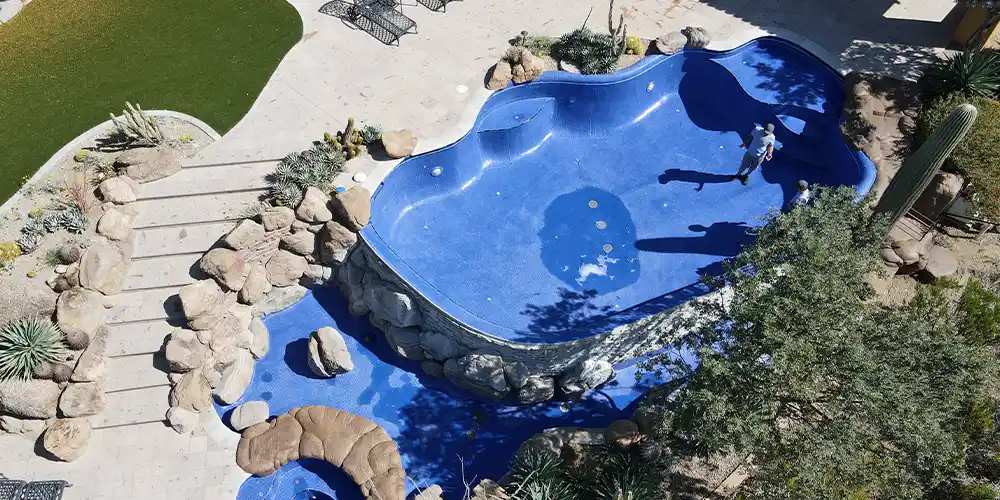

A clean pool should feel easy to enjoy, not like something you have to keep guessing about. Professional pool cleaning includes the visible work, like skimming and brushing, but it also includes checks that help keep the water balanced, the equipment supported, and the pool easier to maintain over time.
When you know what a pool cleaning service includes, it becomes easier to compare providers, ask the right questions, and feel confident about the care your pool is getting.
Why Professional Pool Cleaning Covers More Than Surface Debris
A pool can look clean on the surface and still have issues developing below the waterline. Fine dust, chemical imbalance, weak circulation, and clogged filtration can all affect water clarity and comfort.
That is why a professional visit is not only about removing leaves. It is about reviewing the pool as a full system so small concerns are easier to spot before they become more frustrating.
Core Tasks Included in Professional Pool Cleaning
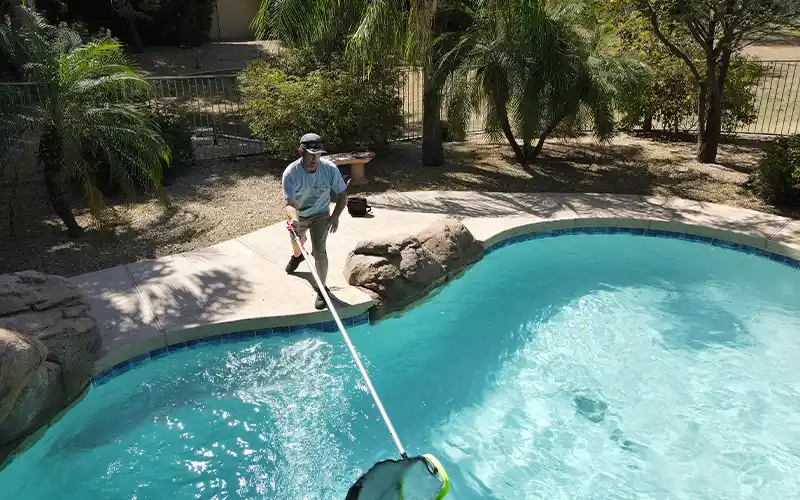
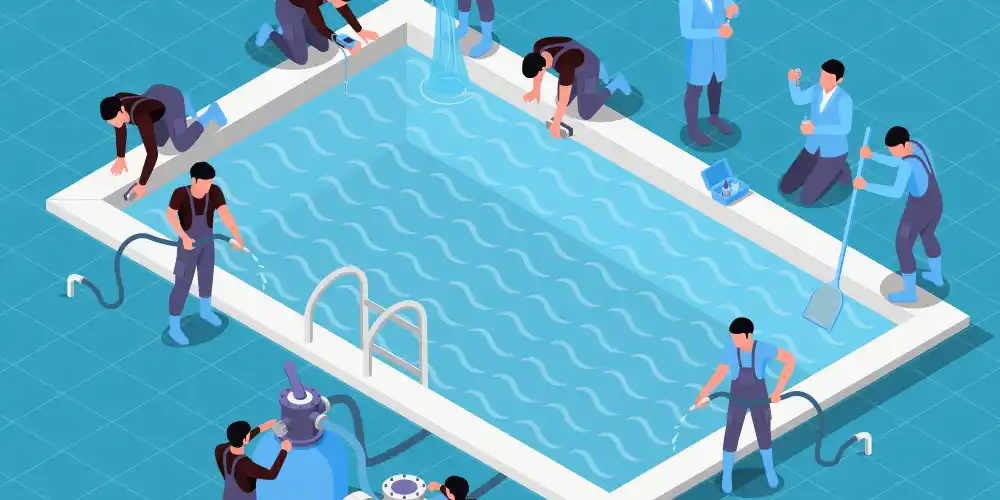
Most pool cleaning visits include a blend of physical cleaning, water care, and basic system checks. The exact service may vary depending on the pool, weather, water condition, and service plan.
Here are the main areas homeowners can usually expect during a professional pool cleaning visit.
Skimming the Pool Surface
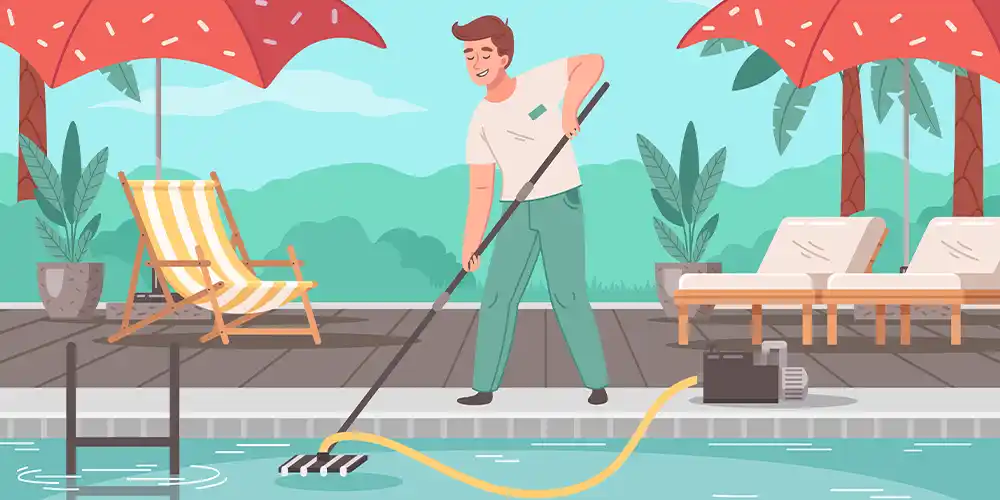
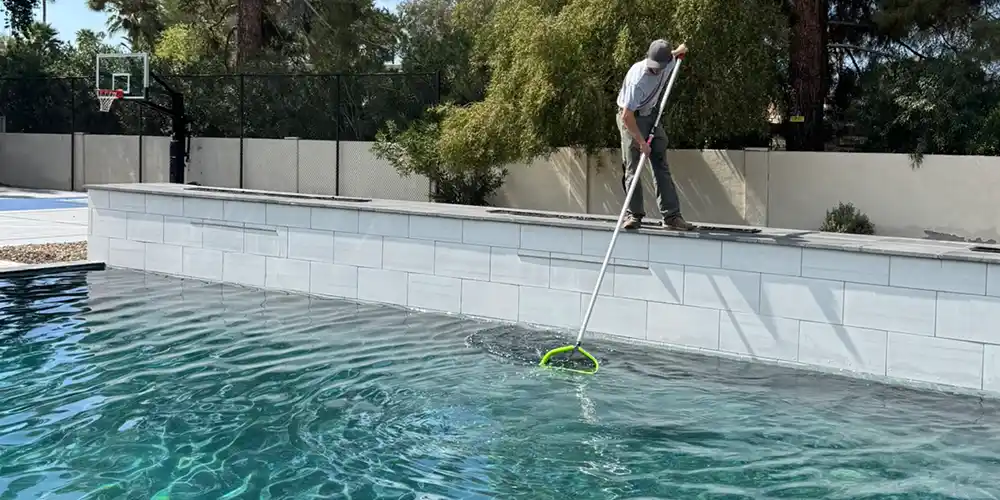
The surface is usually the first area cleaned. Leaves, insects, pollen, and floating debris are removed before they sink or break down in the water.
This helps the pool look better right away. It also reduces the organic material that can affect chlorine demand and water clarity.
Brushing Walls, Steps, and Tile Lines
Brushing helps loosen dirt, dust, algae film, and buildup from pool surfaces. This is especially important around steps, corners, benches, and waterline tile.
These areas can collect residue even when the rest of the pool looks clean. Regular brushing helps keep the pool surface cleaner and supports better sanitizer contact.
Vacuuming the Pool Floor
Vacuuming removes dirt and debris that settle at the bottom of the pool. In Arizona, this may include dust, sand, leaves, and fine particles from wind or landscaping.
A professional cleaner can also notice whether debris keeps collecting in the same area. That can sometimes point to circulation patterns or equipment concerns.
Emptying Skimmer and Pump Baskets
Skimmer baskets and pump baskets collect debris before it reaches the pool equipment. If they become too full, water flow can drop.
That can affect circulation, filtration, and overall pool performance. Emptying these baskets is a simple step, but it plays an important role in keeping water moving properly.
Water Testing and Chemical Balancing
Clean water depends on proper chemistry. Even a freshly cleaned pool can turn cloudy, uncomfortable, or unstable if the water is not balanced.
Professional pool cleaning should include water testing and adjustment guidance, especially in Arizona where heat, evaporation, and hard water can change pool chemistry quickly.
Chlorine or Sanitizer Levels
Sanitizer helps keep pool water clean and safer for regular use. If levels are too low, algae and bacteria may have more opportunity to grow.
If levels are too high, the water may feel harsh. A professional checks sanitizer levels and makes adjustments based on the pool’s current condition.
pH and Alkalinity
pH affects how the water feels and how well chlorine works. Alkalinity helps keep pH more stable.
When these levels are off, water may become cloudy, irritating, or harder to manage. Balanced pH and alkalinity help the whole pool system work more reliably.
Calcium Hardness
Arizona pools often deal with hard water. As water evaporates, minerals can become more concentrated.
High calcium levels may contribute to scale, cloudy water, or buildup on surfaces and equipment. Checking calcium hardness helps guide better long-term pool care.
Cyanuric Acid and Stabilizer
Stabilizer helps protect chlorine from being broken down too quickly by sunlight. In Arizona’s strong sun, this matters.
Too little stabilizer can make chlorine disappear faster. Too much can make chlorine less effective. A professional can check whether the level is within a workable range.
Equipment and Filtration Checks
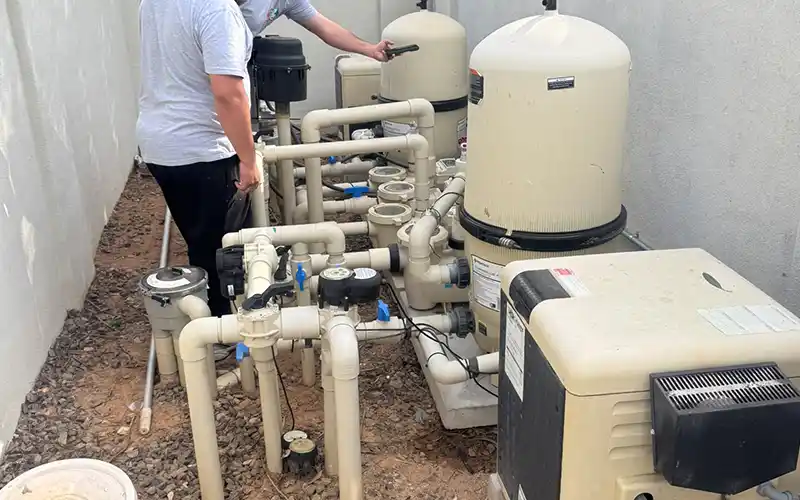
Pool cleaning and equipment performance are closely connected. Even good cleaning will not hold up if the water is not circulating and filtering properly.
A reliable visit should include basic visual checks so homeowners know when something may need closer attention.
Filter Condition
The filter removes fine particles from the water. If it is dirty, clogged, or overdue for service, the pool may stay cloudy even after cleaning.
During a pool cleaning visit, the technician may check filter pressure, water flow, and signs that the filter needs cleaning or maintenance.
Pump and Circulation
The pump keeps water moving through the system. Weak circulation can lead to cloudy water, algae growth, and debris settling in certain areas.
A professional may check whether the pump is running, whether water flow looks normal, and whether return jets are moving water properly.
Visible Equipment Concerns
A pool cleaner may also notice leaks, unusual noises, worn parts, air bubbles, or other visible equipment concerns.
This does not always mean a repair is needed right away. It does mean the homeowner can get clear handoff notes and decide whether a closer inspection makes sense.
What the Professional Pool Cleaning Process Usually Looks Like
A good cleaning process should feel clear and consistent. You should know what was done, what was checked, and whether anything needs attention before the next visit.
Here is a simple way to understand how a professional pool cleaning appointment usually works.
Step 1: Initial Pool Review
The visit starts with a visual check of the pool. The technician looks at water clarity, debris level, surface condition, waterline buildup, and any signs of algae or staining.
This helps guide the service. A lightly used pool may need routine care, while a dusty, cloudy, or green pool may need additional attention.
Step 2: Physical Cleaning
Next comes the hands-on cleaning work. This usually includes skimming, brushing, vacuuming, and emptying baskets.
The goal is to remove visible debris and loosen buildup so the water and filtration system can work more effectively.
Step 3: Water Testing and Adjustments
After or during the cleaning, the water is tested for key chemical levels. Adjustments may be made based on the pool’s needs and the service plan.
This step helps support clearer water and a more comfortable swimming experience.
Step 4: Equipment Check
The technician reviews basic equipment performance. This may include checking pump operation, filter pressure, water movement, and visible equipment concerns.
These checks are not a full repair diagnosis, but they help catch warning signs early.
Step 5: Service Notes and Handoff
Clear handoff notes are an important part of professional service. You should know what was completed and whether anything needs follow-up.
For example, the technician may note that the filter needs cleaning, water levels are low, chemicals were adjusted, or equipment should be reviewed.
What May Not Be Included in Standard Pool Cleaning
Not every pool-related task is part of a routine cleaning visit. This is why clear expectations matter before service begins.
A dependable company should explain what is included, what may cost extra, and when a separate repair or maintenance service is needed.
Major Equipment Repairs
Pump repair, heater repair, automation repair, and major equipment replacement are usually separate from standard cleaning.
A cleaning visit may identify a concern, but repair work often requires a different service appointment.
Deep Green Pool Recovery
A pool that has turned heavily green may need more than routine cleaning. It may require algae treatment, extra filtration time, chemical adjustments, and follow-up visits.
Green pool cleaning is often handled differently because the water needs a more focused recovery process.
Filter Breakdown or Replacement
Basic filter checks may be included, but full filter repair, media replacement, or part replacement may be separate.
If the filter is causing ongoing cloudy water, a professional can explain the next step clearly.
Why Regular Pool Cleaning Helps in Arizona
Arizona pools work hard. Heat, dust, evaporation, monsoon storms, and frequent swimming can all change pool conditions quickly.
Routine care helps keep those changes easier to manage. It also gives homeowners a clearer picture of what is happening from week to week.
For homeowners in Scottsdale, Phoenix, Chandler, Gilbert, Glendale, Mesa, and Tempe, consistent professional pool maintenance can support better water clarity, steadier chemistry, and fewer surprises with basic pool care.
When It Makes Sense to Call Pool Pilots
It may be time to schedule service if your pool keeps getting cloudy, debris returns quickly, the water feels difficult to balance, or you simply want a clearer process for routine care.
Pool Pilots provides reliable pool cleaning with straightforward service, helpful checks, and clear communication. The goal is simple: keep your pool easier to enjoy and easier to understand.
Call Pool Pilots to get a clear quote for professional pool service and feel more confident about your next pool cleaning visit.